The Invisible Hazard: A Comprehensive Guide to Electrical Safety and Best Practices
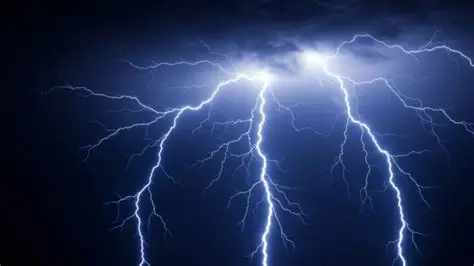
We surround ourselves with it, rely on it to power our lives, and yet we rarely think about it until something goes wrong. Electricity is the silent backbone of modern civilization. However, familiarity breeds complacency. Because we cannot see electricity, we often forget just how volatile and dangerous it can be.
Whether you are a facility manager overseeing an industrial plant, a construction worker on a busy site, or a homeowner plugging in a laptop, understanding electrical safety isn’t just about compliance—it’s about survival.
"Safety isn't expensive, it's priceless."
Author Unknown
The Physics of Danger: How Electricity Affects the Body
To respect electricity, we must understand how it interacts with the human body. The human nervous system operates on minute electrical impulses. When an external electrical current enters the body, it disrupts these natural signals, leading to severe physiological consequences.
The severity of an electrical injury depends on three main factors:
- Amount of current (measured in Amperes/Amps).
- Path of the current through the body.
- Duration of time the body remains in the circuit.
Current Thresholds and Effects
Many people incorrectly assume that voltage is what kills. In reality, current (amperage) is the executioner, though voltage drives that current through the body's resistance.
Here is how different levels of current affect the average human body:
| Current Level | Physical Reaction & Effect | Danger Level |
| 1 mA | Barely perceptible; a slight tingling sensation. | Safe / Warning |
| 5 mA | Slight shock felt; not painful but disturbing. Average individual can let go. | Minor |
| 10 - 20 mA | "Let-go" threshold. Muscles contract involuntarily. You cannot let go of the wire. | Severe / Traumatic |
| 50 - 100 mA | Ventricular fibrillation (heart rhythms disrupt). Respiratory cardiac arrest occurs. | Highly Lethal |
| 1,000+ mA (1A) | Severe tissue burns; internal organs are literally cooked. Immediate cardiac arrest. | Fatal |
Major Electrical Hazards: The "Big Three"
In safety literature, electrical hazards are generally categorized into three major types. Recognizing these is the first step toward prevention.
1. Electrical Shock and Electrocution
A shock happens when a person becomes part of an electrical circuit. This occurs when you touch both wires of an energized circuit, one energized wire and a ground, or a metallic part that has become energized due to a break in insulation.
2. Arc Flash and Arc Blast
An arc flash is a phenomenal release of energy caused by an electric arc. This happens when current passes through the air between ungrounded conductors or between a conductor and a ground.
- The Temperature: An arc flash can reach temperatures up to 35,000°F (19,426°C)—four times hotter than the surface of the sun.
- The Blast: This extreme heat vaporizes metal components instantly, creating a pressure wave known as an arc blast that can throw workers across rooms and collapse lungs.
3. Electrical Fires
According to national fire protection agencies, electrical failures or malfunctions are a leading cause of home and commercial property fires. These are usually caused by overloaded circuits, compromised insulation, or arcs igniting nearby flammable materials.
"Electricity is a brilliant servant but a terrible master."
Essential Safety Protocols for the Workplace
Industrial and commercial environments require strict adherence to regulatory standards (such as OSHA and NFPA 70E). Below are the core pillars of industrial electrical safety.
Lockout/Tagout (LOTO)
Before any maintenance or servicing is done on electrical equipment, it must be rendered completely de-energized. The Lockout/Tagout (LOTO) process ensures that machines remain off while work is performed.
- De-energize: Shut down the power source completely.
- Lock: Place a physical lock on the energy isolating device so it cannot be turned back on.
- Tag: Attach a prominent tag indicating who placed the lock, why, and the date.
- Verify: Always test the system with a calibrated voltmeter to ensure there is zero residual energy before touching components.
Personal Protective Equipment (PPE)
When working near live or potentially live components, specialized PPE is mandatory. Standard clothing can melt onto the skin in an arc flash event.
- Arc-Rated (AR) Clothing: Specialized suits, jackets, and pants designed to resist catching fire or transferring heat.
- Insulated Gloves: Rated by voltage capacity (e.g., Class 00 up to Class 4) to protect hands from direct contact shock.
- Face Shields and Safety Glasses: To protect against flying debris and intense UV/IR light from arc flashes.
Home Electrical Safety: Protecting Your Family
While workplaces have safety officers, your home relies on you to enforce safety standards. Modern homes are packed with electronics, making residential electrical safety more important than ever.
The Role of Safety Devices
Your home relies on three main defensive lines to prevent shocks and fires:
- Circuit Breakers: Designed to protect the wiring of the house from overheating. If you pull too much current (e.g., running a microwave and a space heater on the same outlet), the breaker trips to prevent a fire.
- GFCI (Ground Fault Circuit Interrupters): Designed to protect human life. GFCIs constantly monitor the balance of current going out and coming back. If they detect a tiny leakage (as little as 4-5 mA) escaping to the ground—potentially through a person—they cut power in milliseconds. These are mandatory in kitchens, bathrooms, and outdoors.
- AFCI (Arc Fault Circuit Interrupters): These detect dangerous, unintended arcing in electrical wiring (like a nail driven through a wire behind a wall), which is a primary cause of hidden home fires.
The Ultimate Home Safety Checklist
Use this quick reference to audit your living space:
- [ ] No Daisy-Chaining: Never plug power strips into other power strips.
- [ ] Inspect Cords: Discard any appliance with a frayed, cracked, or taped cord.
- [ ] Feel the Walls: If an outlet or switch plate feels warm to the touch, flip the breaker off immediately and call an electrician.
- [ ] Keep it Dry: Never operate electrical appliances with wet hands or near standing water.
- [ ] Tamper-Resistant Outlets: If you have toddlers, ensure outlets have built-in shutters to prevent them from sticking keys or hairpins into the slots.
Emergency Response: What to Do in an Electrical Accident
If you witness someone receiving an electrical shock, your immediate instincts might put you in danger. Do not rush to grab the person. If they are still in contact with the live current, you will become part of the circuit, and there will be two victims instead of one.
Emergency Action Protocol
- Cut the Power: Immediately turn off the circuit breaker, pull the plug, or disconnect the power source if safe to do so.
- Separate the Victim (If power can't be cut): Use a non-conductive object (a dry wooden broom handle, a PVC pipe, or a dry rope) to push or pull the victim away from the source. Never use anything damp or metallic.
- Call for Help: Dial emergency services instantly.
- Administer First Aid: Once the victim is safely clear of the current, check for breathing and a pulse. Start CPR immediately if necessary and if you are trained. Keep the victim warm and still until medical professionals arrive.
"In an emergency, your brain will revert to your training. If you haven't trained for electrical failure, your instincts could cost you your life."
Summary of Best Practices
To wrap up, electrical safety boils down to respect, awareness, and maintenance. Whether you are dealing with 120 volts at home or 480 volts in an industrial setting, the rules of physics remain unchanged. Treat every wire as if it is live, invest in high-quality safety gear, and when in doubt, always call a licensed professional electrician.