How Home IoT Smart Systems Work
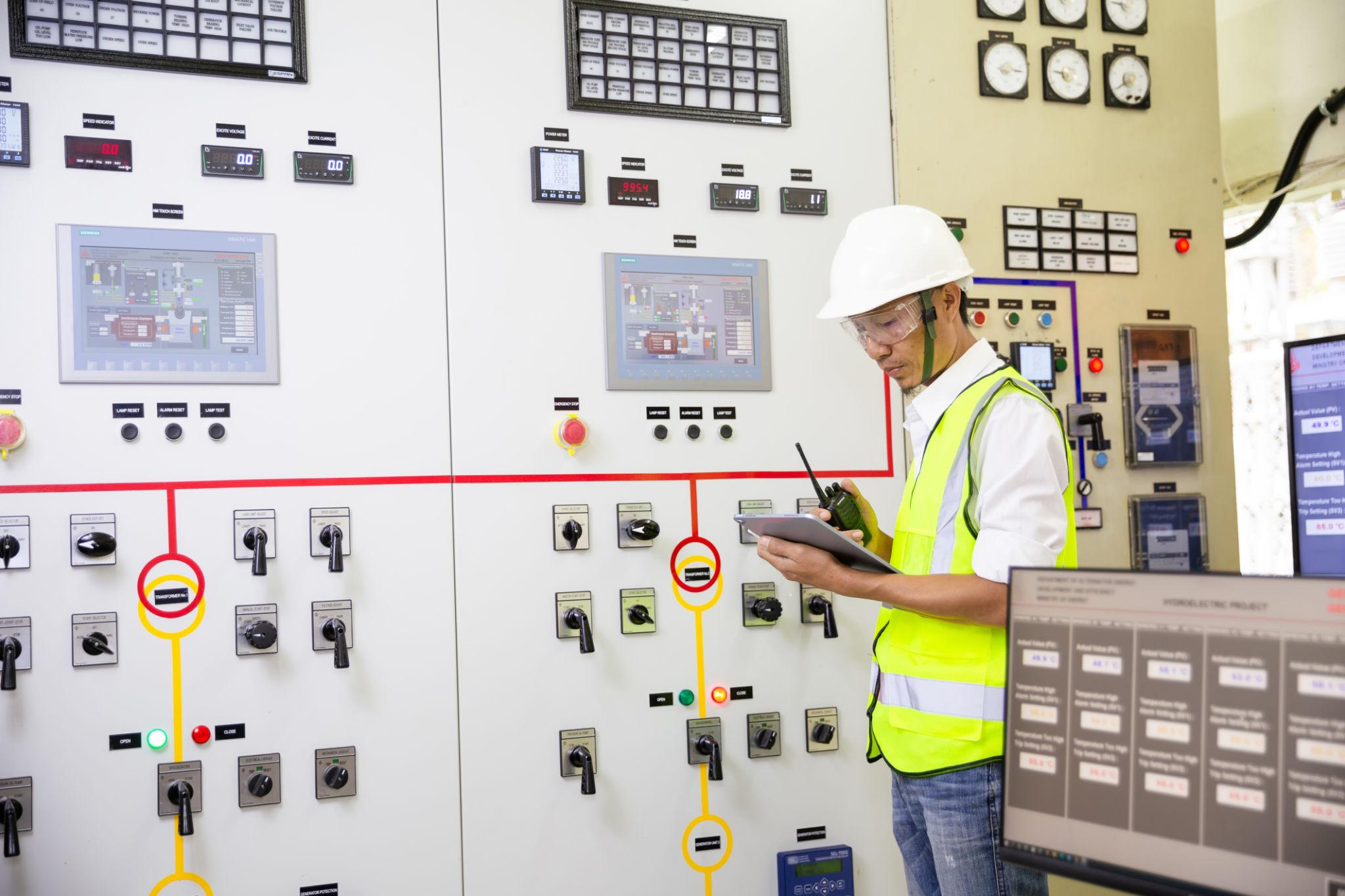
Nepal has crossed a historic milestone. From a situation where 16–18 hour daily blackouts were common, NEA has transitioned to profitability and even begun exporting electricity to neighboring countries like Bangladesh and India. Today, with surplus hydropower, electricity is more available than ever before. Yet most Nepali households still do not know how to make the most of it, using electricity smartly, running powerful appliances, and still keeping the bill low.
IoT — Simple Definition
IoT stands for Internet of Things. In simple terms, it means connecting your home's electrical devices — lights, fans, ACs, water pumps, geysers, sockets — to the internet so they can be monitored, controlled, and automated from your smartphone, tablet, or even voice command.
How a Home IoT Energy System Works — Step by Step
A typical Home IoT Energy Management System (HEMS) works through four layers:
Layer 1 : Sensors and Smart Devices Smart plugs, smart switches, smart meters, and smart circuit breakers are installed at key points in your home. These devices measure real-time power consumption in watts and kilowatt-hours for each appliance separately.
Layer 2 : Gateway/Hub All smart devices communicate through a central hub (usually Wi-Fi or Zigbee protocol). This hub sends data to the cloud and also receives control commands back.
Layer 3 : Cloud and AI Processing Smart energy IoT applications allow for real-time tracking and analysis of energy usage. This data-driven approach empowers households to identify inefficiencies, optimize consumption, and lower energy bills. AI algorithms in the cloud analyze your usage patterns, detect anomalies (like a geyser left on for 6 hours), and generate optimization suggestions. Appinventiv
Layer 4 : User Interface (App or Dashboard) You see everything on your phone: which device is using how many watts right now, your daily/weekly/monthly consumption trend, your estimated bill for the month, and alerts when you are approaching a slab threshold.
What Can a Home IoT System Actually Do?
IoT-enabled smart thermostats can learn your daily routines and adjust temperature settings accordingly, leading to energy savings without compromising comfort. Similarly, smart lighting systems can automatically turn off lights in unoccupied rooms or adjust brightness levels based on natural light conditions, resulting in reduced electricity consumption. MoldStud
For the Nepal context, here is what a home IoT system can specifically help with:
Smart Geyser Control: Set the geyser to turn on at 5:30 AM and automatically off at 6:00 AM , not a minute longer. No more forgotten geysers.
Smart Pump Automation: The water pump runs only until the rooftop tank is full (using a float sensor + smart relay). No more overflows and wasted pump runtime.
Smart Light Scheduling: Corridor and porch lights turn on at sunset and off at sunrise automatically. Motion sensors cut lights when rooms are empty.
Real-Time Bill Monitoring: See your accumulated units and projected bill for the month in real time. Get an alert when you have used 80 units: "Warning — you are approaching your 100-unit slab threshold."
Load Shedding / Inverter Integration: Smart systems can automatically switch loads to your inverter during brief outages and prioritize which appliances get backup power.
How Much Can You Save?
Using IoT in homes can lead to noteworthy savings, sometimes cutting energy bills by up to 30%. Home energy monitoring systems using IoT technology change how we interact with our living spaces, making energy use more efficient and reducing costs. Roombanker
Implementing IoT in energy management systems could reduce electricity consumption by over 1.6 petawatt-hours by 2030 — equivalent to powering more than 150 million homes annually. Appinventiv
For a Nepali household currently paying Rs. 2,000/month, a 20–30% reduction means saving Rs. 400–600 every month — Rs. 5,000–7,000 per year. The investment in basic smart plugs and a monitoring hub pays itself back in 12–18 months.
What Home IoT Devices Can You Get in Nepal Today?
While Nepal's smart home market is still growing, these options are available:
- Smart Wi-Fi plugs (Sonoff, TP-Link Tapo, Xiaomi), available online and in Kathmandu/Pokhara tech markets. Price: Rs. 1,500–3,500 each.
- Smart energy monitors (clamp-on current transformers + IoT gateway) — measure whole-home consumption in real time.
- Smart bulbs (Philips Hue, Xiaomi, Wipro) control via app or voice assistant.
- Smart circuit breakers — can be monitored and tripped remotely.
- DIY options using ESP8266/ESP32 microcontrollers — for electronics enthusiasts, Nepal has a growing community building custom home automation at very low cost.
Nepal-Specific Roadmap — From Substation to Consumer
Here is a combined view of what needs to happen at each level of Nepal's electricity ecosystem for us to truly "use high electricity with a low bill."
At the National Grid / Generation Level
Nepal's 16th Periodic Plan (FY 2024/2025 to 2028/2029) targets 11.76 GW of installed capacity, while the third Nationally Determined Contribution aims for 14.03 GW of clean energy by 2030 and 28.5 GW by 2035. More generation means lower per-unit cost over time. But generation alone is not enough without grid upgrades. ScienceDirect
At the Substation Level
- Install smart monitoring systems at each 33 kV and 11 kV substation
- Replace old electromechanical protection relays with numerical relays
- Install capacitor banks at substations to improve power factor and reduce line losses
- Implement SCADA (Supervisory Control and Data Acquisition) for real-time fault detection
At the Distribution Transformer Level
- Each distribution transformer should have a digital energy meter to measure supply vs. consumption (the difference = losses)
- Overloaded transformers must be identified and replaced or augmented
- Regular load balancing between phases (R, Y, B) to reduce neutral current and losses
At the Consumer Meter Level
- Transition all consumers from electromechanical to smart digital meters
- Enable remote meter reading to eliminate estimated bills
- Introduce Time-of-Day (ToD) tariffs for medium and large consumers to shift load away from peak hours
At the Individual Consumer Level (Your Home)
- Track your units every 10 days
- Switch all lighting to LED
- Install a solar water heater
- Use induction cooking for at least one meal per day
- Install smart plugs on your geyser, TV, and washing machine
- Keep appliances serviced — a dirty AC filter can increase power consumption by 10–15%
- Ensure your home wiring is properly sized (not undersized cables that heat up and waste energy)
Nepal now has electricity to spare. The country's installed capacity stands at about 3,511 MW against a current demand of only 2,337 MW — the excess is exported to India and Bangladesh. The era of shortage is over. The era of smart consumption is here. SpotlightNepal
The most powerful thing you can do right now is combine old-school efficiency (LED bulbs, solar heaters, slab awareness) with new technology (smart plugs, IoT monitors, and app-based controls). Neither alone is as powerful as both together.
Start small: buy one smart plug for your geyser, read your meter every week, and switch your last remaining incandescent bulbs to LED. These three steps alone can save 20–30 units per month for most households — enough to stay in a lower NEA tariff slab and put real money back in your pocket.
As Nepal's grid modernizes from the substation outward, and as IoT technology becomes more affordable in the Nepali market, the gap between "using a lot of electricity" and "paying a high bill" will continue to widen — in your favor.
Bijuli badaau, bill ghataau. Use more, pay less — smartly.